Dog Knee Surgery: What Norwalk Pet Owners Should Know
Dog Knee Surgery: What Norwalk Pet Owners Should Know
When your dog starts limping or struggles to get up after a nap, it can be both worrying and heartbreaking. Knee injuries are a leading cause of pain and mobility issues in dogs, and sometimes, dog knee surgery becomes the best path to restoring your pet’s health and happiness. At AM PM Ideal Pet Care in Norwalk, CA, our experienced veterinary team has helped countless local pets regain their mobility and quality of life after knee injuries, from sudden accidents to gradual wear and tear. In this guide, we’ll walk you through the most common causes of canine knee injuries, how to recognize the symptoms, what’s involved in dog knee surgery, and what you can expect before, during, and after your pet’s procedure. Our team is here to answer your questions and provide compassionate care—whether you’re in Norwalk or one of our surrounding communities.
Recognizing the Signs: Does Your Dog Need Knee Surgery?
Understanding when your dog might need knee surgery starts with recognizing the symptoms of joint trouble. If your dog is limping, especially after exercise, or hesitates to put weight on one of their hind legs, it could be a sign of a knee injury. Some dogs may suddenly yelp and hold up a leg after a run in the park; others develop a gradual limp that seems to worsen with activity. Additional warning signs include difficulty jumping into the car, trouble climbing stairs, or an obvious “bunny hopping” gait when running. Swelling around the knee, stiffness after rest, and a change in your dog’s activity level are also common. You might notice your dog avoids certain movements or seems irritable when you touch their back leg. These symptoms can have a variety of causes, but in many cases, they point to a knee injury such as a torn ligament or dislocated kneecap. Early recognition and prompt evaluation are crucial to preventing further damage and discomfort for your pet.
Common Causes of Knee Injuries in Dogs
Knee injuries in dogs often involve the cranial cruciate ligament (CCL), which is similar to the ACL in humans. This ligament stabilizes your dog’s knee joint, and when it tears—either suddenly during play or gradually due to degeneration—your dog loses that stability. Large and active breeds are particularly prone to CCL injuries, but any dog can be affected, including smaller breeds and older pets. Sudden injuries may occur after a twist or awkward landing during a game of fetch, while chronic wear and tear can weaken the ligament over time. Other causes of knee problems include luxating patellas (dislocated kneecaps), fractures, and osteoarthritis. Obesity increases the risk of knee injuries by placing extra strain on your dog’s joints. Additionally, some breeds are genetically predisposed to joint issues. Environmental factors such as slippery floors or uneven terrain in the yard can also contribute. No matter the cause, a careful diagnosis by a veterinary professional is essential to determine the best path forward.
How Dog Knee Surgery Helps Your Pet
When conservative treatments like rest, anti-inflammatory medications, and physical therapy do not resolve your dog’s lameness, surgery may be the best option to restore function and comfort. Dog knee surgery addresses the underlying cause of joint instability, whether it’s a torn ligament or a dislocated kneecap. The most common procedures for CCL injuries include traditional repair techniques and advanced surgeries like TPLO (Tibial Plateau Leveling Osteotomy). At AM PM Ideal Pet Care, our veterinarians perform a wide range of orthopedic surgeries to address knee injuries and restore mobility. Treatment approaches involve stabilizing the joint, removing damaged tissue when necessary, and encouraging proper healing. For CCL tears, the TPLO procedure changes the dynamics of the knee joint to prevent abnormal movement, while extracapsular repair uses strong suture material to mimic the function of the ligament. For pets with severe joint damage, options such as ACL repair orthopedic surgery for dogs and cruciate repair surgical services are available. In some cases, dogs with advanced arthritis or complex injuries may benefit from additional interventions, including fracture and dislocation orthopedic treatment or, in rare situations, surgical amputation to relieve pain and improve quality of life.
What to Expect Before and After Surgery
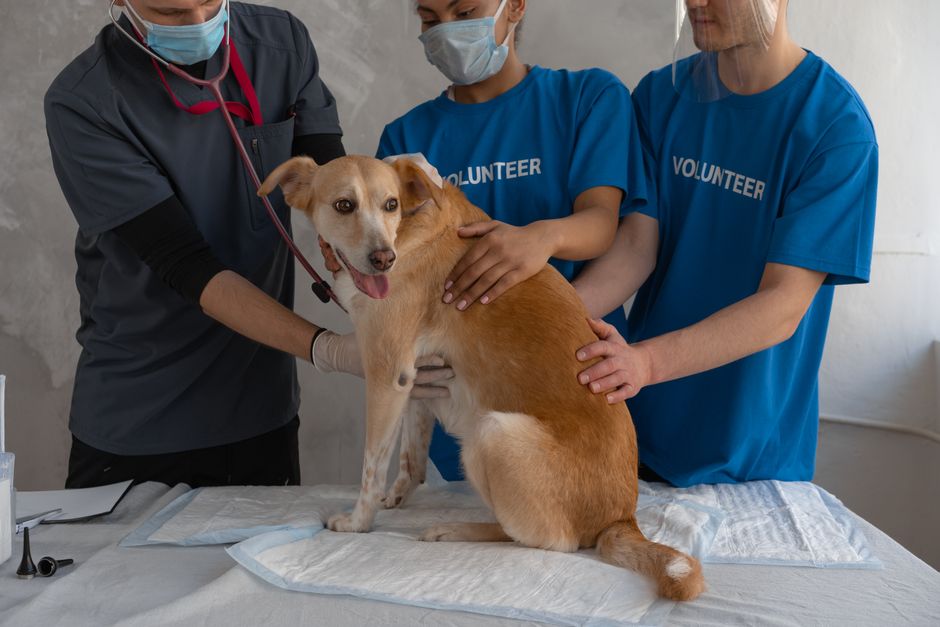
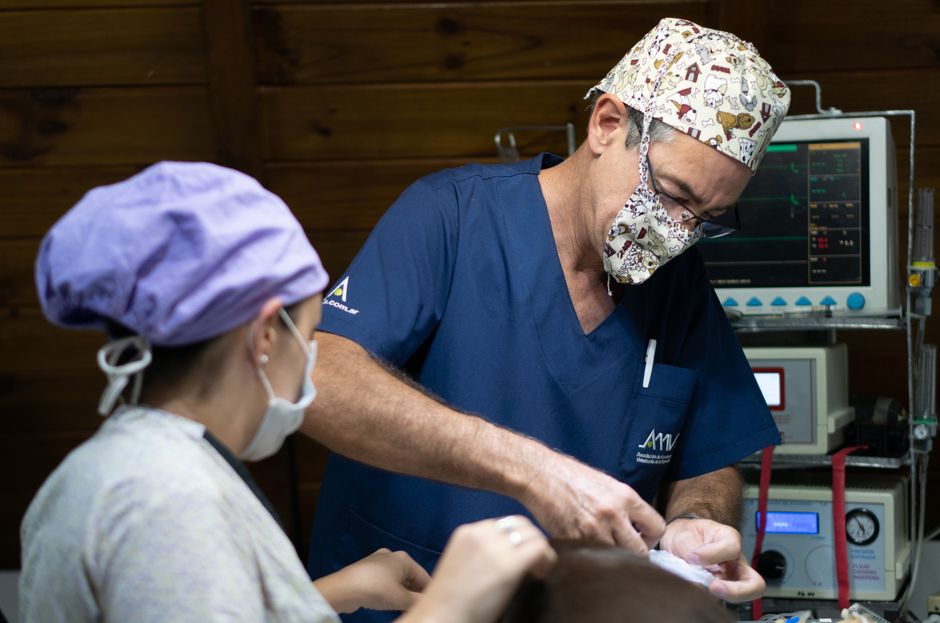
Your dog’s journey to recovery starts with a comprehensive evaluation and diagnostic imaging, such as x-rays or ultrasounds, to confirm the injury and plan the procedure. Prior to surgery, our veterinary team will discuss the best surgical approach, answer your questions, and provide detailed instructions for pre-operative care. On the day of surgery, your dog will be placed under general anesthesia, and our experienced doctors will perform the chosen procedure using advanced techniques to ensure safety and success. After surgery, your dog will need a quiet place to rest, and you’ll receive clear guidance on pain management, physical therapy, and gradual return to activity. Recovery times vary depending on the type of surgery, but most dogs begin walking within a few days and see significant improvement in mobility within weeks. Rehabilitation exercises, including underwater treadmill therapy or laser therapy, may be recommended to speed healing and strengthen the joint. Our team will schedule follow-up visits to monitor your dog’s progress and make any necessary adjustments to their care plan.
At-Home Care and Prevention: Supporting Your Dog’s Recovery
Helping your dog recover from knee surgery is a team effort between you and your veterinary professionals. After surgery, it’s crucial to follow all post-operative instructions closely. Steps include restricting your dog’s activity for several weeks, keeping them on a leash during bathroom breaks, and preventing them from jumping on furniture or running up and down stairs. You may need to use a crate or a small room to limit movement, and supportive bedding can help keep your dog comfortable. Physical therapy, as recommended by your veterinarian, helps restore strength and flexibility. Medications for pain and inflammation should be given exactly as prescribed, and regular check-ins with your veterinary team ensure your dog continues to heal properly. To prevent future knee injuries, maintain your dog at a healthy weight, provide regular exercise suited to their age and breed, and avoid sudden intense activity, especially in older or predisposed dogs. Ensuring your home environment is safe, with non-slip surfaces and clear walkways, also reduces the risk of accidents.
When to Seek Veterinary Care for Your Dog’s Knee
Not every limp means your dog needs surgery, but ongoing lameness, sudden inability to bear weight, or signs of significant pain should never be ignored. If your dog’s limp persists for more than a day, worsens with activity, or is accompanied by swelling, vocalization, or changes in behavior, it’s time to schedule a veterinary evaluation. Prompt intervention can prevent further damage and improve long-term outcomes. Dogs with sudden injuries, such as a yelp followed by non-weight-bearing lameness, require urgent attention, as torn ligaments or fractures may be involved. Even if symptoms seem mild, a professional assessment helps rule out serious conditions and provides peace of mind. At AM PM Ideal Pet Care, our veterinarians are experienced in diagnosing and treating complex joint injuries, and we offer both routine orthopedic care and emergency and urgent care veterinary services for pets in Norwalk, CA, and surrounding areas. Delaying treatment can lead to worsening arthritis, muscle loss, and chronic pain, making recovery more challenging for your dog.
Choosing Dog Knee Surgery in Norwalk: Why Trust AM PM Ideal Pet Care?
Selecting the right veterinary team for your dog’s knee surgery is one of the most important decisions you can make for your pet’s health. At AM PM Ideal Pet Care, we combine advanced surgical expertise with a compassionate approach tailored to your dog’s unique needs. Our Norwalk location features modern diagnostic and surgical equipment, and our team has performed thousands of successful orthopedic operations, including complex ligament repairs and post-traumatic reconstructions. We believe in clear communication, thorough education, and ongoing support throughout your dog’s recovery journey. Whether your dog needs a specialized procedure like TPLO or a more traditional repair, you can trust our veterinarians to recommend the best option for a fast, comfortable recovery.
Take the Next Step: Restore Your Dog’s Mobility Today
If you’re concerned your dog may need knee surgery, don’t wait to seek answers. Early intervention can make a life-changing difference in your pet’s comfort and mobility. Our veterinary professionals at AM PM Ideal Pet Care are ready to help you navigate every stage of the process, from diagnosis to recovery. If you are searching for a “vet near me” who is experienced in dog knee surgery, our Norwalk hospital is here for you and your pet. To schedule an appointment or discuss your concerns, call (562) 282 9639 or visit us at Norwalk, CA. You can also explore our cruciate repair surgical services or ACL repair orthopedic surgery for dogs for more information about advanced treatment options. Our commitment to your pet’s health and comfort is unwavering, and we are honored to be your trusted veterinary resource in Norwalk and the surrounding communities.
This blog is intended for informational purposes only and does not replace professional veterinary advice. If your dog is experiencing lameness, pain, or any concerning symptoms, please consult a veterinarian promptly for an accurate diagnosis and appropriate care.