Early Signs of Heart Disease in Dogs and Cats
Early Signs of Heart Disease in Dogs and Cats
If you have ever wondered whether your dog or cat could be developing heart disease, you are not alone. Heart problems are more common in pets than many owners realize, and early detection is key to helping your furry family member enjoy a long, healthy life. At AM PM Ideal Pet Care in Norwalk, CA, our experienced veterinary team is dedicated to spotting subtle warning signs before they become serious issues. We understand how much your pet means to you, which is why we offer comprehensive pet exams and advanced diagnostics right here in our hospital. In this article, we will explore the early signs of heart disease in dogs and cats, explain why these conditions develop, discuss how our team diagnoses and manages them, and share steps you can take at home to keep your pet's heart healthy.
Recognizing Early Symptoms of Heart Disease in Pets
Noticing changes in your pet's behavior or health can be concerning. Heart disease in dogs and cats often starts with subtle symptoms that are easy to overlook. Key signs to watch for include fatigue or reluctance to exercise, as you may notice your dog lagging behind on walks or your cat napping more than usual. Coughing, especially during the night or after activity, can signal fluid buildup in the lungs or around the heart. Other symptoms include difficulty breathing, rapid or shallow breaths, and occasional fainting or collapsing episodes. If your pet seems to tire quickly, has a decreased appetite, or is losing weight without explanation, these could also be early indicators of heart disease. Swollen abdomen due to fluid accumulation, as well as pale or bluish gums, are more advanced signs but can appear as the condition progresses.
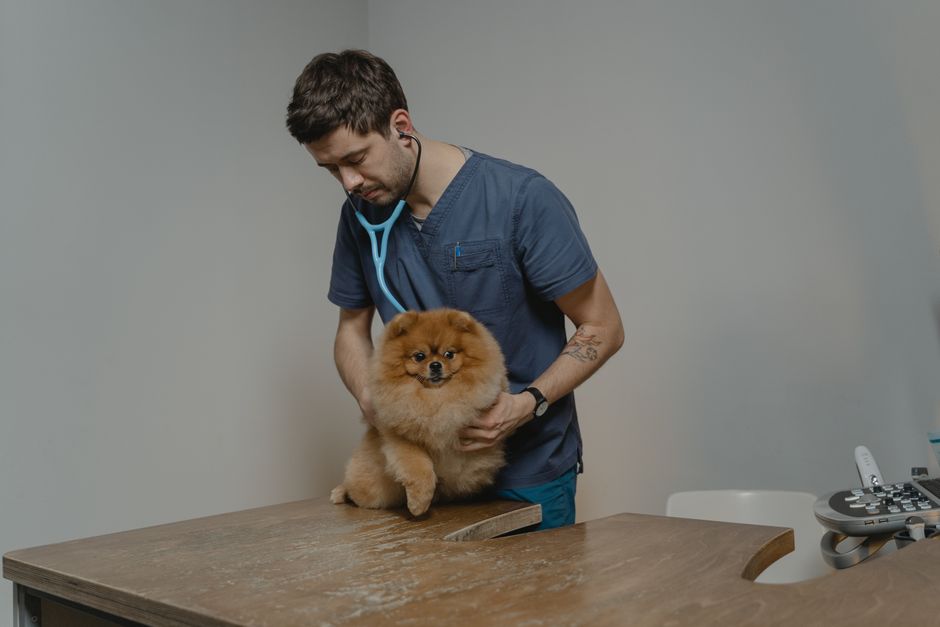
It is important to remember that some pets, especially cats, may hide symptoms until the disease is more advanced. Routine wellness visits with our veterinarians at AM PM Ideal Pet Care can help identify these changes before they impact your pet's quality of life. During your pet's exam, our team will listen for abnormal heart sounds, check for irregular rhythms, and look for subtle clues that may suggest heart issues. If you are concerned about any changes in your pet's behavior or appearance, scheduling a wellness examination is a great first step.
Understanding the Causes of Heart Disease in Dogs and Cats
Heart disease in pets can develop for a variety of reasons. In dogs, the most common causes are chronic valve disease, which affects the valves separating the chambers of the heart, and dilated cardiomyopathy, where the heart muscle becomes weak and enlarged. Genetics play a significant role, with certain breeds such as Cavalier King Charles Spaniels, Doberman Pinschers, and Boxers being more prone to heart conditions. Cats frequently develop heart disease due to hypertrophic cardiomyopathy, a condition where the heart muscle thickens and makes it harder for the heart to pump blood efficiently. Maine Coons and Ragdolls are among the breeds at higher risk, but any cat can be affected.
Other factors that can contribute to heart disease include aging, high blood pressure, obesity, and in some cases, infections such as heartworm disease in dogs. Environmental elements, such as poor diet or lack of exercise, can also influence heart health over time. Some congenital heart defects are present from birth and may not show symptoms until your pet is older. The complex nature of heart disease means that even attentive owners may not notice anything wrong until the disease has progressed, which is why early screening and prompt diagnosis are essential.
How Heart Disease Is Diagnosed and Managed at Our Norwalk Veterinary Hospital
When our veterinarians suspect heart disease, we use a combination of physical exams and advanced diagnostic tools to determine the cause and extent of the problem. The process often starts with a thorough clinical examination, where our team listens for heart murmurs or irregular rhythms and evaluates your pet's overall health. If needed, we may recommend further testing, which can include an electrocardiogram to assess the heart's electrical activity. This test can reveal arrhythmias or abnormal rhythms that are not always detectable during a physical exam.
Advanced imaging, such as digital radiology, allows us to visualize the heart's size and shape, check for fluid around the lungs, and look for signs of heart enlargement. Ultrasound examinations provide detailed images of the heart's chambers and valves, helping our veterinarians pinpoint the exact problem. In some cases, we may also run blood tests or recommend heartworm testing to rule out related conditions.
Treatment for heart disease depends on the underlying cause and severity. Medications are often used to help the heart pump more efficiently, reduce fluid buildup, and control blood pressure. Some pets benefit from dietary changes, weight management, and tailored exercise programs. Our team will work closely with you to develop a plan that fits your pet's unique needs, monitor progress, and adjust treatment as necessary. For more advanced cases, especially those involving arrhythmias or severe fluid accumulation, hospitalization and intensive care may be required.
Home Care and Prevention: Supporting Your Pet’s Heart Health
While some cases of heart disease in pets are not preventable, there are steps you can take to reduce your pet's risk and support their heart health at home. Maintaining a healthy weight is crucial, as obesity puts extra strain on the heart and can worsen existing conditions. Providing a balanced diet, regular exercise, and keeping up with routine veterinary checkups can help catch problems early.
For dogs, protecting against heartworm disease with year-round preventive medication is essential, especially in the Norwalk, CA area where mosquitoes are present throughout much of the year. Our veterinarians can recommend the best heartworm prevention plan for your pet. Avoiding exposure to toxins, such as certain human medications or foods, also helps safeguard your pet's heart.
Monitoring your pet for subtle changes in breathing, activity, or appetite and reporting these to our veterinary team can make a significant difference. Early intervention is often the key to successful management, allowing many pets with heart disease to continue living happy, active lives.
When to Seek Veterinary Care for Heart Concerns
If you notice symptoms such as persistent coughing, difficulty breathing, fainting, or sudden weakness in your dog or cat, it is important to contact our veterinary team promptly. These signs can indicate a serious problem that requires immediate attention. Even if symptoms are mild or intermittent, scheduling an exam allows us to investigate further and begin treatment if necessary.
For pets with a known history of heart disease, any new or worsening symptoms, such as increased breathing rate, restlessness, or changes in gum color, should be reported to our veterinarians as soon as possible. Timely evaluation can prevent complications and improve your pet's prognosis.
At AM PM Ideal Pet Care, we encourage all pet owners to stay vigilant and proactive about their animal's heart health. Our urgent care services are available for situations where your pet's symptoms are severe or rapidly progressing. For concerns that develop gradually, booking a routine exam can offer peace of mind and ensure your pet receives the care they need.
Keeping Your Pet’s Heart Healthy with AM PM Ideal Pet Care
Your pet relies on you to notice when something is not quite right, and we are here to support you at every step. By understanding the early signs of heart disease in dogs and cats, you can act quickly and give your furry friend the best chance for a healthy future. Our veterinary team in Norwalk, CA is proud to serve local families and surrounding communities with compassionate, expert care.
If you are searching for a veterinarian near me or have concerns about your pet's heart health, please reach out to AM PM Ideal Pet Care. You can schedule an appointment for a comprehensive exam, ask about our advanced diagnostics, or learn more about preventive care tailored to your dog's or cat's needs. Call us at (562) 282 9639, visit our website at ampmidealpetcare.com, or stop by our hospital. Together, we can help your pet enjoy a happy, heart-healthy life.
This article is intended for informational purposes only and should not be used as a substitute for professional veterinary advice. If you have concerns about your pet’s health, please contact our veterinary team.