Cat Ultrasound: What Pet Owners in Norwalk Should Know
Cat Ultrasound: What Pet Owners in Norwalk Should Know
When your cat is feeling unwell or showing symptoms that are difficult to diagnose, advanced imaging like a cat ultrasound can provide answers quickly and non-invasively. At AM PM Ideal Pet Care in Norwalk, CA, our veterinary team uses state-of-the-art ultrasound technology as part of a comprehensive approach to feline health. Many pet owners wonder when an ultrasound might be needed for their cat, what the process involves, and how it can support better outcomes. In this blog, we will explore the role of cat ultrasound in veterinary medicine, review common reasons your veterinarian might recommend this diagnostic tool, and explain what you can expect during your visit to our Norwalk animal hospital. We will also discuss how our team supports your cat’s well-being from diagnosis through ongoing care. If you are searching for trusted information about cat ultrasound in Norwalk, you are in the right place.
Recognizing the Signs: When Might Your Cat Need an Ultrasound?
Cats are known for their ability to hide illness, which can make it challenging for pet owners to recognize when something is wrong. However, certain symptoms may prompt your veterinarian to recommend a cat ultrasound for a more detailed look inside your cat’s body. Key signs that may indicate the need for further imaging include unexplained weight loss, persistent vomiting or diarrhea, changes in appetite, abdominal discomfort, or unusual swelling. Additionally, if your cat is showing signs of difficulty urinating, breathing issues, or has abnormal bloodwork, your veterinarian may suggest an ultrasound to better understand the underlying cause.
Sometimes, subtle changes such as increased thirst, lethargy, or a dull coat can also prompt further investigation. If you notice any changes in your cat’s usual behavior or health, it is important to schedule an appointment with our veterinary team. Early detection and diagnosis can make a significant difference in the success of treatment and the comfort of your cat.
Understanding Cat Ultrasound: How Does It Work and Why Use It?
What Is a Cat Ultrasound?
A cat ultrasound is a non-invasive imaging technique that uses high-frequency sound waves to create real-time images of your cat’s internal organs and tissues. Unlike X-rays, which use radiation and provide a static image, ultrasound allows veterinarians to observe organ movement, blood flow, and even guide procedures in real time. The process is typically painless and does not require sedation unless your cat is especially anxious or needs to remain completely still for detailed images.
Why Is Ultrasound Used in Cats?
Ultrasound is a preferred diagnostic tool for many feline conditions because it provides valuable information without subjecting your cat to discomfort or risk. It is especially useful for evaluating the abdomen, including the liver, kidneys, bladder, spleen, and gastrointestinal tract. Ultrasounds can also be used to assess the heart (a procedure known as echocardiography) or to guide biopsies and fluid sampling.
Common reasons your veterinarian might recommend a cat ultrasound include investigating causes of vomiting, diarrhea, or weight loss, monitoring chronic conditions such as kidney disease, detecting tumors or masses, and evaluating unexplained changes in organ function seen in blood tests. In some cases, an ultrasound can help identify urinary blockages or bladder stones, which can be life-threatening if not treated promptly.
If you are curious to learn more about how veterinary ultrasound aids in pet diagnosis and care, visit our ultrasound services page.
What to Expect During Your Cat’s Ultrasound at AM PM Ideal Pet Care
The Ultrasound Procedure
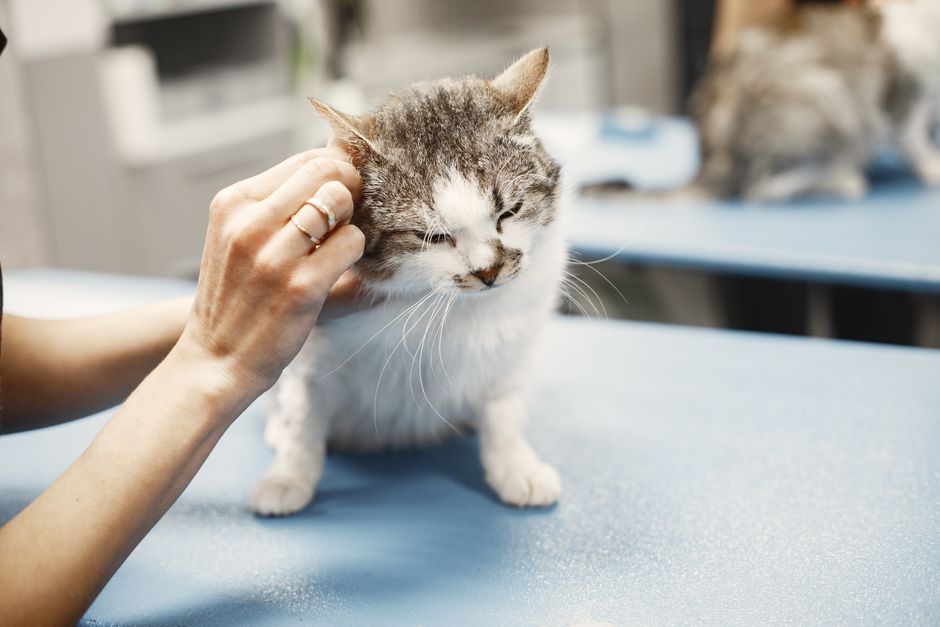
When you bring your cat to AM PM Ideal Pet Care for a cat ultrasound, our veterinary team will ensure your pet is as comfortable as possible. The area to be examined is usually shaved to allow for clear imaging, and a special gel is applied to help transmit the sound waves. Your cat will be gently positioned on a padded table, and the ultrasound probe is moved over the targeted area. Most cats tolerate the procedure well, and you can often stay with your cat during the exam to provide reassurance.
The duration of the ultrasound varies depending on which organs are being examined, but most procedures take between 20 and 45 minutes. After the images are captured, our veterinarians will interpret the findings and discuss them with you, often during the same visit. If additional diagnostics or treatments are recommended based on the ultrasound, our team will explain your options in detail.
Will Your Cat Need Sedation?
Most cats do not require sedation for an ultrasound, but in some cases—such as if your cat is very anxious or unable to remain still—mild sedation may be used for their comfort and safety. Your veterinarian will discuss this possibility with you before the procedure.
Common Conditions Diagnosed by Cat Ultrasound
Cat ultrasound is a versatile diagnostic tool that helps identify a range of feline health issues. Some of the most common conditions diagnosed or monitored using ultrasound include kidney disease, liver problems, gastrointestinal disorders, urinary tract obstructions, and certain types of cancers. For example, if your cat is experiencing frequent urination with little output or signs of discomfort, an ultrasound can help detect bladder stones or other urinary tract issues. This is especially important for male cats, who are at higher risk for urinary blockages.
Additionally, ultrasound can assist in detecting abdominal masses, cysts, or evidence of internal bleeding following trauma. In senior cats, ultrasound is often used to monitor chronic conditions and detect early changes in organ function, allowing for timely intervention.
In some cases, your veterinarian may recommend additional tests, such as a comprehensive pet exam or lab work, to complement the findings from your cat’s ultrasound and provide a complete picture of your cat’s health.
Supporting Your Cat’s Health: Treatment and Next Steps
Once your cat’s ultrasound has provided a diagnosis, our veterinarians will discuss the best treatment plan for your pet’s unique needs. Treatment recommendations may range from medication and dietary changes for conditions like kidney disease, to surgical intervention for masses or obstructions. In cases where ultrasound reveals a chronic issue, we may recommend ongoing monitoring with follow-up imaging to track your cat’s progress.
Our goal at AM PM Ideal Pet Care is always to provide compassionate, individualized care that keeps your cat comfortable and supports long-term health. We understand how stressful it can be when your cat needs advanced diagnostics, which is why we take the time to explain every step and answer your questions thoroughly.
If your cat requires surgery, such as removal of a tumor or correction of a urinary obstruction, our experienced surgical team has performed thousands of successful procedures. We also offer advanced therapies like perineal urethrostomy in cats when necessary for feline urinary health.
What You Can Do at Home: Monitoring and Preventive Care
As a pet owner, you play a crucial role in your cat’s well-being. Monitoring your cat for changes in appetite, litter box habits, energy level, and weight can help catch health issues early. Providing a balanced diet, regular exercise, and a stress-free environment supports overall health and may reduce the risk of certain diseases.
Preventive veterinary care, including annual wellness exams and routine lab testing, allows your veterinarian to detect concerns before they become serious. If your cat has a chronic condition, follow your veterinarian’s recommendations for medication, diet, and follow-up visits. Keeping detailed notes about your cat’s symptoms and sharing them with your veterinary team can help ensure timely and accurate diagnosis.
If you are due for your cat’s next checkup or want to discuss preventive health, consider scheduling a wellness examination with our veterinarians.
When to Seek Veterinary Care for Your Cat
If your cat is experiencing persistent vomiting, diarrhea, difficulty urinating, unexplained weight loss, or any sudden changes in behavior, it is important to contact your veterinarian promptly. While some symptoms may be mild or resolve on their own, others can indicate serious underlying health issues that require immediate attention. Cat ultrasound can be a vital part of diagnosing and treating these conditions quickly and effectively.
When in doubt, trust your instincts as a pet owner. Cats often hide illness until it becomes advanced, so early intervention is key. The veterinary team at AM PM Ideal Pet Care is here to help you navigate concerns and provide the right care for your feline companion.
Cat Ultrasound in Norwalk: Your Local Resource for Feline Health
At AM PM Ideal Pet Care, we understand how much your cat means to you. Our team of veterinarians in Norwalk, CA is dedicated to providing the highest standard of care, including advanced diagnostic tools like cat ultrasound. Whether your cat needs a routine checkup, urgent attention, or help managing a chronic condition, we are here to support you every step of the way.
If you are searching for a veterinarian near me who offers cat ultrasound and comprehensive feline care, look no further than AM PM Ideal Pet Care. To schedule an appointment or learn more about our services, call us at (562) 282 9639 or visit our ultrasound services page for additional information. Your cat’s health and comfort are our top priorities, and we are proud to serve Norwalk and the surrounding communities.
The information in this blog is intended for educational purposes only and should not replace professional veterinary advice. Always consult your veterinarian for specific concerns about your cat’s health.