Managing Pet Dehydration and Heat Stress in Norwalk September
Managing Pet Dehydration and Heat Stress in Norwalk September
September in Norwalk, CA, often brings long, sunny days and dry conditions—perfect for outdoor fun, but also a time when dogs and cats face a higher risk of dehydration and heat stress. At AM PM Ideal Pet Care, we know how much you care about your pet’s wellbeing, especially during these challenging late-summer weeks. Many pet owners worry about their dog or cat becoming overheated or not drinking enough water, and with good reason: dehydration and heat-related illness can develop quickly and become life-threatening without prompt action.
This blog will help you understand how to spot the warning signs of dehydration and heat stress in your pet, explain why these conditions occur during Norwalk’s hot September weather, and offer practical prevention tips to keep your furry friends safe. We will also guide you on when it’s time to contact our experienced team of veterinarians for urgent care, and how our comprehensive diagnostic and treatment services can help. Whether you’ve lived through many California summers or are new to Norwalk and surrounding communities, the information here can give you peace of mind all season long.
Recognizing Dehydration and Heat Stress in Your Pet
When it comes to dehydration and heat stress, early recognition is key. Many pet owners first notice that their dog or cat seems tired or less interested in play, but the signs can be subtle at first. Common symptoms of dehydration include dry or sticky gums, sunken eyes, and a decrease in skin elasticity. You might observe that your pet is panting more than usual, has a dry nose, or is urinating less frequently. For cats, lethargy and a lack of grooming can also signal trouble.
Heat stress, on the other hand, often presents with rapid, heavy panting, excessive drooling, and a bright red tongue or gums. In more severe cases, you may see vomiting, diarrhea, weakness, confusion, or even collapse. Dogs are especially prone to heat-related problems due to their limited ability to sweat, while cats—although less likely to overexert themselves—can still develop dangerous heat stress if trapped in a hot environment or deprived of water.
It’s important to remember that flat-faced breeds such as Bulldogs, Pugs, and Persian cats, as well as older pets and those with chronic illnesses, are at increased risk. If you notice any of these warning signs, do not wait for them to resolve on their own. Quick action can prevent serious complications and may even save your pet’s life.
Why Are Pets at Risk During Norwalk’s September Heat?
Understanding the reasons behind dehydration and heat stress helps you stay one step ahead. In Norwalk, September is often a transitional month, but temperatures can remain high and humidity tends to be low. This combination leads to increased water loss through panting and evaporation, especially when pets are active, excited, or simply exposed to the sun for too long.
Urban environments like Norwalk and nearby communities intensify these risks. Heat radiating from pavement, limited shade in dog parks, and long car rides can all contribute to rising body temperatures faster than you might expect. Many pet owners are surprised to learn that even indoor cats can become dehydrated if they don’t have constant access to fresh water or if the air conditioning is left off during the day.
Additionally, pets who are left outdoors for extended periods, walked at midday, or exercised strenuously are much more likely to develop heat-related problems. Dogs in particular may not know when to stop playing, especially if they’re chasing a favorite ball or running with their owner. Paying attention to local weather reports and adjusting your pet’s routine according to Norwalk’s climate are important steps in prevention.
Professional Treatment and What to Expect at AM PM Ideal Pet Care
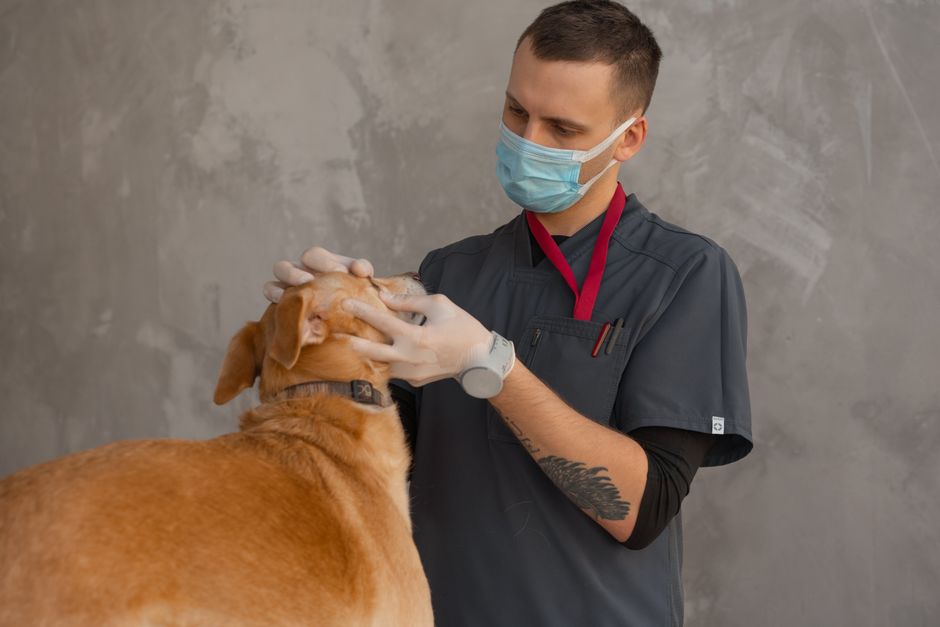
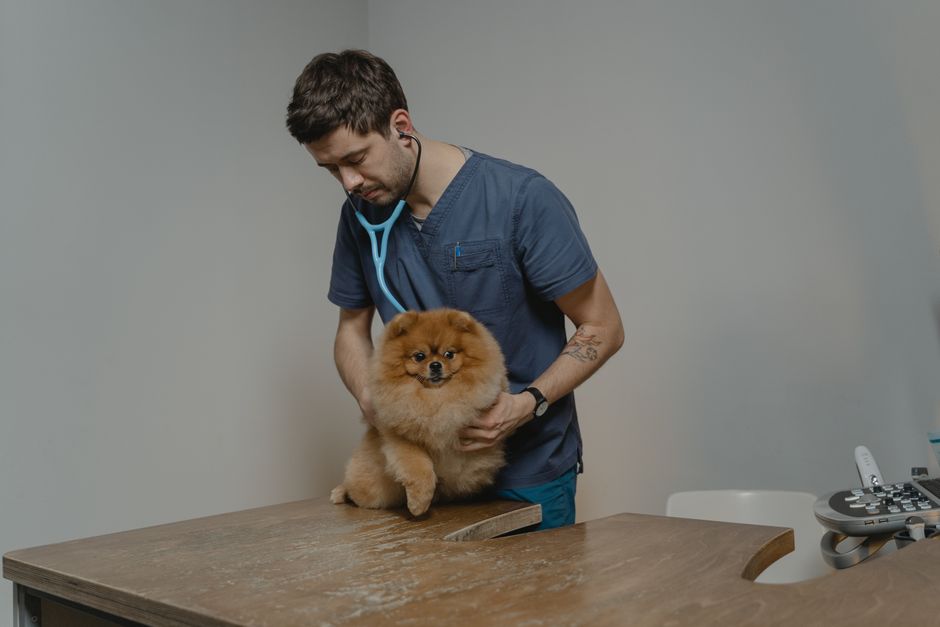
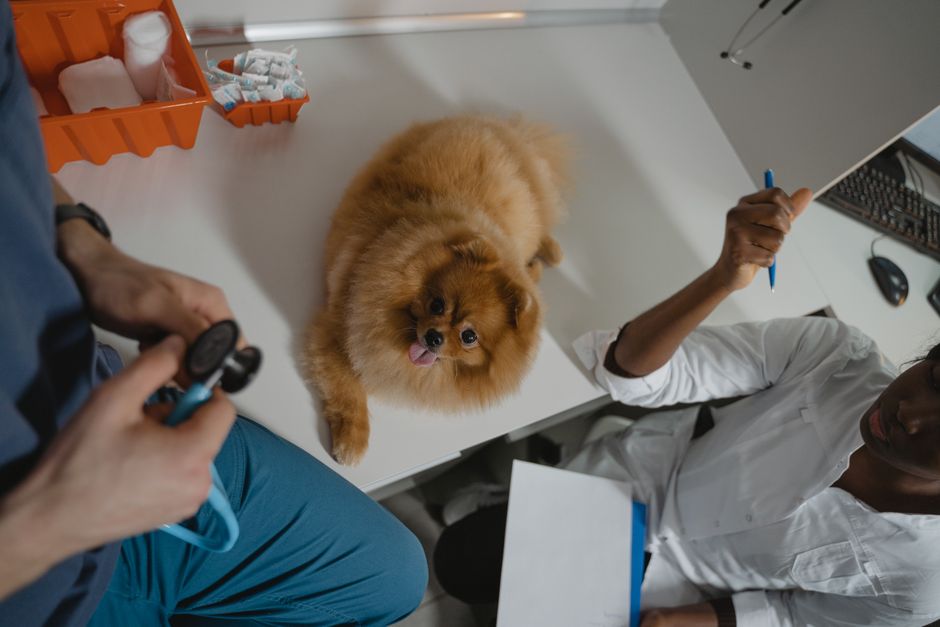
If your dog or cat is showing signs of dehydration or heat stress, immediate veterinary attention is critical. At AM PM Ideal Pet Care, our team of veterinarians is trained to quickly assess your pet’s condition and deliver the care they need. When you schedule an appointment with us, we start with a thorough physical examination, checking your pet’s hydration status, temperature, heart rate, and overall wellbeing.
For pets suspected of dehydration or heat-related illness, we may recommend in-house laboratory testing to evaluate electrolyte levels, kidney function, and other vital parameters. Our diagnostic laboratory services enable us to get fast results and tailor treatment accordingly. Depending on the severity, treatment options may include intravenous or subcutaneous fluids, cooling measures, oxygen therapy, and medications to support organ function.
In cases where your pet is struggling to breathe, has collapsed, or is having seizures, our urgent care capabilities allow us to respond quickly with advanced monitoring and emergency interventions. The goal is always to stabilize your pet, address the underlying cause, and provide supportive care to ensure a full recovery. Follow-up visits or additional testing may be recommended to monitor your pet’s progress and prevent future episodes.
Preventing Dehydration and Heat Stress: What Pet Owners Can Do
Fortunately, there are many practical steps you can take to keep your dog or cat safe during Norwalk’s warm September days. The most important thing is to make sure your pet always has access to fresh, clean water both indoors and outdoors. Change water bowls daily, and consider using a pet fountain to encourage drinking, especially for cats who prefer running water.
Plan walks and outdoor play sessions during the early morning or late evening when temperatures are cooler. Avoid hot pavement, which can burn paws and increase body heat. Create shaded areas in your yard or patio, and never leave your pet unattended in a parked car, even for a few minutes; temperatures inside vehicles can rise dangerously fast.
For pets with thick coats or those prone to overheating, regular grooming can help with temperature regulation. Consider providing wet towels or cooling mats for your dog to lie on, and use fans or air conditioning indoors to keep the environment comfortable. Watch for subtle changes in behavior—such as reluctance to exercise, seeking out cooler spots, or decreased appetite—which may be early signs of trouble.
If your pet is older, has a chronic health condition, or is a flat-faced breed, be extra cautious. You may need to limit activity even further and monitor them closely during heat waves. Talk with our veterinary professionals about any concerns you have, and ask if your pet would benefit from a wellness check before the hottest months begin.
When to Seek Veterinary Care for Dehydration or Heat Stress
Knowing when to call the veterinarian can make all the difference. If you notice persistent vomiting or diarrhea, refusal to drink water, difficulty breathing, weakness, disorientation, or collapse, these are all signals that urgent help is needed. Even mild symptoms like dry gums or lethargy can progress quickly, so don’t hesitate to seek advice if something seems off.
For pets experiencing significant heat exposure or suspected dehydration, prompt evaluation is essential. Our urgent veterinary care services are designed to address these emergencies efficiently and compassionately. Remember that home remedies—such as offering ice water or cooling your pet too rapidly—can sometimes do more harm than good. Our team will guide you through safe first-aid steps over the phone and prepare for your visit to ensure the best possible outcome.
If you’re ever uncertain whether your pet’s symptoms require immediate attention, it’s always safer to consult with our veterinary team. We are here to support you and your pet, providing clear guidance and expert care whenever you need it.
Keeping Your Pets Safe in September and Beyond
Protecting your dog or cat from dehydration and heat stress in Norwalk’s September heat is a partnership between you and your veterinary team. By recognizing early warning signs, understanding local risk factors, and following practical prevention strategies, you can help your pet enjoy a safe, comfortable end to summer.
At AM PM Ideal Pet Care, we are committed to supporting pet owners across Norwalk and surrounding communities with high-quality veterinary care, education, and compassion. If you have questions about managing heat-related risks or need to schedule an appointment, our team of veterinarians is ready to help. Reach out to us at (562) 282 9639 or stop by our Norwalk, CA location.
When searching for a veterinarian near me, trust the experience and dedication of AM PM Ideal Pet Care to keep your furry companions healthy all year round. If you ever suspect heat stress or dehydration, do not wait—contact us immediately or learn more about our urgent veterinary care services to ensure your pet gets the care they deserve.
This article is for informational purposes only and is not a substitute for professional veterinary care. If you are concerned about your pet’s health, please contact our veterinary professionals right away for personalized advice and treatment.