Dog Knee Surgery in Norwalk: What Pet Owners Should Know
Dog Knee Surgery in Norwalk: What Pet Owners Should Know
Is your dog suddenly limping, having trouble getting up, or reluctant to play as usual? Knee injuries are a common source of pain and mobility issues for dogs, and when rest alone is not enough, dog knee surgery can be the key to restoring your pet's comfort and quality of life. If you are searching for answers or support in Norwalk, CA and surrounding communities, AM PM Ideal Pet Care offers experienced, compassionate care for pets facing knee injuries and other orthopedic challenges. In this guide, we will explain how to recognize signs of knee problems in dogs, explore causes and treatment options including surgery, and provide helpful advice on recovery and prevention. Our veterinary team has helped countless local pets get back on their paws with advanced surgical solutions, and we are here to guide you every step of the way.
Recognizing Knee Injuries in Dogs
Knee injuries in dogs are more common than many pet owners realize, especially among active breeds, aging pets, and those who have suffered sudden trauma. Early recognition is important because prompt veterinary attention often leads to better outcomes. Signs that may indicate your dog needs evaluation for a knee injury include limping or favoring one leg, difficulty rising or jumping, sudden reluctance to play or climb stairs, and visible swelling or discomfort around the knee joint. Some dogs will hold their leg up entirely, while others may have intermittent lameness that seems to come and go. You might also notice changes in your dog's gait, such as "bunny hopping" or an awkward stance. These symptoms can worsen over time if left untreated, leading to chronic pain or arthritis.
If your dog displays any of these signs, it is important to seek an evaluation with a veterinary professional. Our veterinary team at AM PM Ideal Pet Care in Norwalk can perform a thorough examination, supported by advanced diagnostics like digital radiology and ultrasound, to determine the underlying cause of your dog's discomfort.
What Causes Knee Injuries in Dogs?
Knee injuries in dogs most often involve damage to the cranial cruciate ligament (CCL), which is similar to the ACL in humans. This ligament stabilizes the knee joint, and when it tears or ruptures, the knee becomes unstable and painful. Injuries can occur suddenly during play, running, or jumping, or they can develop gradually due to ligament degeneration over time. Factors that increase a dog's risk of knee injury include being overweight, having a genetic predisposition (common in breeds like Labradors, Rottweilers, and Bulldogs), or living a very active lifestyle. In some cases, trauma such as slipping on a slick surface or landing awkwardly from a jump can cause immediate ligament rupture.
Other knee problems in dogs can include patellar luxation, where the kneecap slips out of place, and fractures or dislocations involving the bones and joint. Each of these conditions can cause pain and lameness, but cruciate ligament injuries are by far the most frequent reason dogs require knee surgery.
Dog Knee Surgery: Treatment Options and What to Expect
When a dog has a significant knee injury—especially a torn cruciate ligament—surgery is often the most effective way to restore stability, reduce pain, and prevent long-term joint damage. At AM PM Ideal Pet Care, our experienced veterinarians offer several surgical options tailored to your dog's specific needs, size, and activity level.
Understanding Cruciate Repair and TPLO
The two most common procedures for treating cruciate ligament injuries are traditional suture repair and Tibial Plateau Leveling Osteotomy (TPLO). In suture repair, the veterinarian uses strong synthetic material to stabilize the knee and mimic the function of the damaged ligament. TPLO involves altering the geometry of the knee joint by making a precise cut in the tibia (shin bone) and rotating it to change how forces move through the joint, eliminating the need for the cruciate ligament. TPLO is often recommended for larger, more active dogs, while suture repair may be ideal for smaller breeds or less active pets.
To learn more about these procedures and how they help dogs return to normal activity, visit our page on Cruciate Repair / TPLO.
Other Knee and Orthopedic Surgeries
In addition to cruciate repairs, our surgical team is skilled in treating other knee problems such as patellar luxation and complex fractures. Some injuries may require advanced orthopedic techniques, including the use of implants or specialized fixation devices. Our commitment to high-quality care means your dog will always receive a personalized treatment plan designed to ensure the best possible outcome.
You can explore additional information about our orthopedic care for fractures and dislocations if your dog suffers from a traumatic injury involving the limbs.
The Surgical Experience
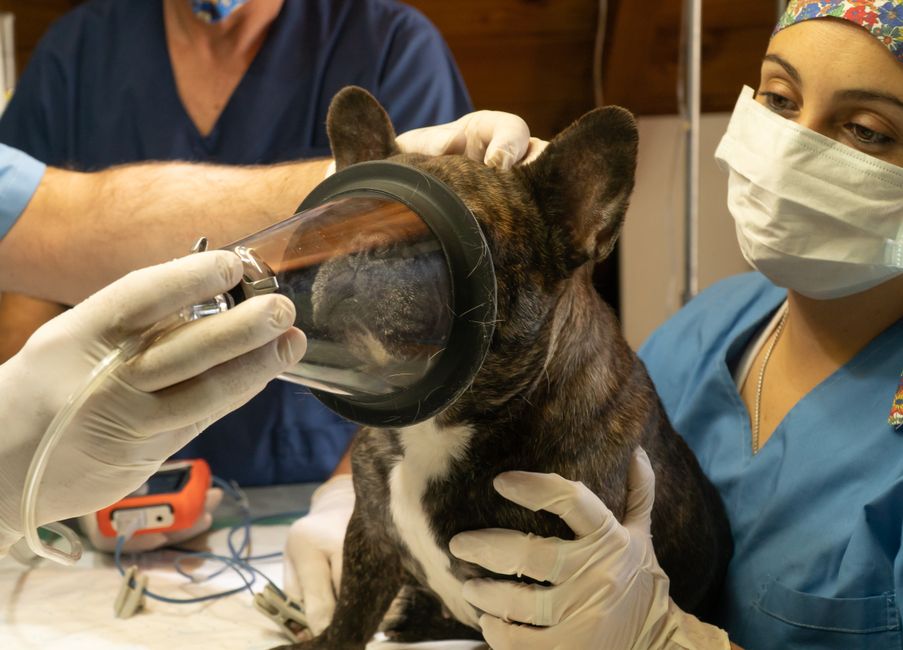
Before surgery, your dog will undergo a complete physical examination and pre-anesthetic testing to minimize risks. During the procedure, your pet is monitored closely using advanced equipment. Pain management is a top priority, and every effort is made to keep your dog comfortable before, during, and after surgery. Most dogs are able to go home the same day or after a short hospital stay, depending on the complexity of the procedure and their recovery needs.
Recovery After Dog Knee Surgery
Successful recovery from dog knee surgery relies on a combination of professional veterinary care and diligent home management. Immediately after surgery, your dog will need a period of strict rest to allow the surgical site to heal. During this time, your veterinarian may recommend crate confinement, leash walks only for bathroom breaks, and careful monitoring for swelling, redness, or discharge at the incision.
As healing progresses, gradual rehabilitation becomes essential. Controlled activity, gentle range-of-motion exercises, and physical therapy such as underwater treadmill sessions can speed recovery and restore strength. AM PM Ideal Pet Care is pleased to offer advanced rehabilitation options, including the underwater treadmill and K-Laser therapy, which can help reduce pain and inflammation while improving joint mobility.
Throughout the recovery period, follow-up appointments are scheduled to monitor healing and adjust your dog's activity plan. Our veterinary team will provide detailed instructions and support, answering your questions and helping you navigate any challenges. Most dogs begin to show significant improvement within a few weeks, with full recovery taking several months, depending on the type of surgery and your pet's individual progress.
Preventing Future Knee Injuries and Supporting Long-Term Health
While some knee injuries are the result of unavoidable accidents, there are steps you can take to reduce your dog's risk and support healthy joints. Maintaining a healthy weight is one of the most effective ways to minimize stress on your dog's knees. Providing regular, appropriate exercise helps keep muscles strong and ligaments flexible, but always be mindful of your dog's activity level and avoid excessive jumping or rough play, especially on slippery surfaces.
Supplements such as glucosamine and chondroitin may support joint health, especially in older dogs or those with a history of orthopedic problems. Routine wellness examinations allow your veterinarian to assess your dog's body condition, joint health, and identify early signs of mobility issues before they become serious.
If your dog has undergone knee surgery, following your veterinarian's recommendations for rehabilitation and activity modification will help prevent re-injury and support long-term comfort. Our team at AM PM Ideal Pet Care is always available to discuss preventive strategies and answer any questions about your dog's orthopedic health.
When to Seek Veterinary Care for Dog Knee Injuries
Prompt veterinary attention is crucial whenever you notice signs of knee injury in your dog. If your pet is limping, unable to bear weight on a leg, or showing persistent discomfort, schedule an appointment with a veterinarian as soon as possible. Immediate care is especially important if your dog experiences sudden severe lameness, cries out in pain, or has visible swelling or deformity of the limb. Delaying treatment can allow further damage to the knee joint and may lead to chronic pain or arthritis.
For urgent situations or if you are unsure whether your dog's symptoms require immediate attention, our urgent care services in Norwalk are available to provide rapid assessment and treatment. Never attempt to diagnose or treat a suspected knee injury at home without veterinary guidance, as improper care can worsen the injury or delay healing.
Supporting Your Dog Every Step of the Way
At AM PM Ideal Pet Care, we understand how stressful it can be to see your dog in pain or unable to enjoy their favorite activities. Our veterinarians are committed to providing thorough, compassionate care throughout every stage of the diagnosis, surgery, and recovery process. Whether your dog needs advanced dog knee surgery or you simply have questions about mobility issues, you can count on our expertise and support.
If you are searching for a "vet near me" who is experienced in orthopedic surgery and dedicated to helping your dog live an active, pain-free life, look no further than our Norwalk location. We encourage you to schedule an appointment or walk in during regular hours to discuss your dog's needs. Our team is proud to serve Norwalk, Downey, Santa Fe, Whittier, and surrounding communities with high-quality veterinary care tailored to your pet's unique situation.
To get started, contact our veterinary team at AM PM Ideal Pet Care in Norwalk, CA. Call us at (562) 282 9639 for more information or to book a consultation. Together, we can help your dog get back on the road to recovery and enjoy a happier, healthier life.
Disclaimer: This blog is for informational purposes only and does not replace professional veterinary advice. Always consult your veterinarian for an accurate diagnosis and personalized treatment plan for your pet.