How to Spot Allergies in Your Pet This Summer

How to Spot Allergies in Your Pet This Summer
As the summer heat settles into Norwalk, CA and nearby neighborhoods, many pet owners notice their dogs and cats scratching, licking, or sneezing more than usual. If your pet seems uncomfortable or is showing new skin or respiratory symptoms, you may be dealing with seasonal allergies. At AM PM Ideal Pet Care, we understand how distressing it can be to see your pet struggle with itching or irritation. Our veterinary team has extensive experience diagnosing and managing allergies in both dogs and cats, and we are committed to helping you keep your pet comfortable all summer long.
This blog will guide you through recognizing the common signs of summer allergies in pets, explain what causes these reactions, and outline what you can do at home to help. We will also discuss when it is time to schedule a visit with your veterinarian and how our team in Norwalk can support you with advanced allergy testing and treatment options. If you are concerned about your pet’s symptoms or want to know more about professional allergy testing for pets at AM PM Ideal Pet Care, you are in the right place.
Recognizing the Signs of Allergies in Pets
Summer allergies can show up in various ways, and the symptoms are not always obvious at first. The most common signs that your pet may be suffering from seasonal allergies include persistent itching, frequent licking or chewing of the paws, and noticeable redness or irritation of the skin. You might also notice your dog or cat shaking their head more often, rubbing their face on the carpet, or developing hot spots—these are areas of inflamed, sometimes moist skin that result from constant scratching or licking.
Respiratory symptoms are also possible, especially in cats. Sneezing, watery eyes, nasal discharge, and occasional coughing can all be signs that your pet is reacting to something in their environment. In some cases, pets may have ear infections or recurring ear inflammation, which are commonly linked to underlying allergies.
If your pet is losing fur, developing scabs, or seems restless and unable to settle, it could be time to consider whether allergies are playing a role. The key is to pay attention to new or worsening behaviors, especially as the weather turns warmer and plants start to bloom.
What Causes Summer Allergies in Dogs and Cats?
Allergies in pets occur when their immune system overreacts to substances in the environment, known as allergens. During the summer months in Norwalk and surrounding communities, common triggers include pollen from grasses, trees, and weeds, as well as mold spores and dust mites. Pets can also be sensitive to flea bites, and even small numbers of fleas can set off intense allergic reactions known as flea allergy dermatitis.
Environmental allergens are often carried indoors on shoes, clothing, or through open windows, so even indoor pets are not immune. Additionally, certain cleaning products, perfumes, or household sprays used more frequently in the summer can also trigger symptoms in sensitive pets.
Some pets have food allergies that can become more noticeable when combined with seasonal triggers. It is important to remember that allergies can develop at any age, and even pets who have never had seasonal issues before may start showing symptoms as they get older.
How Veterinary Teams Diagnose and Treat Pet Allergies
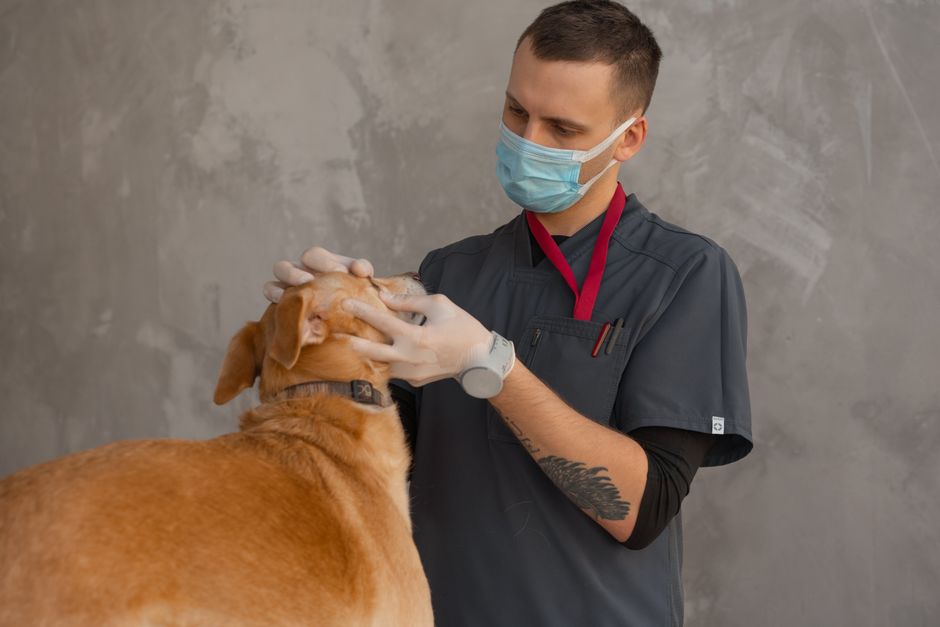
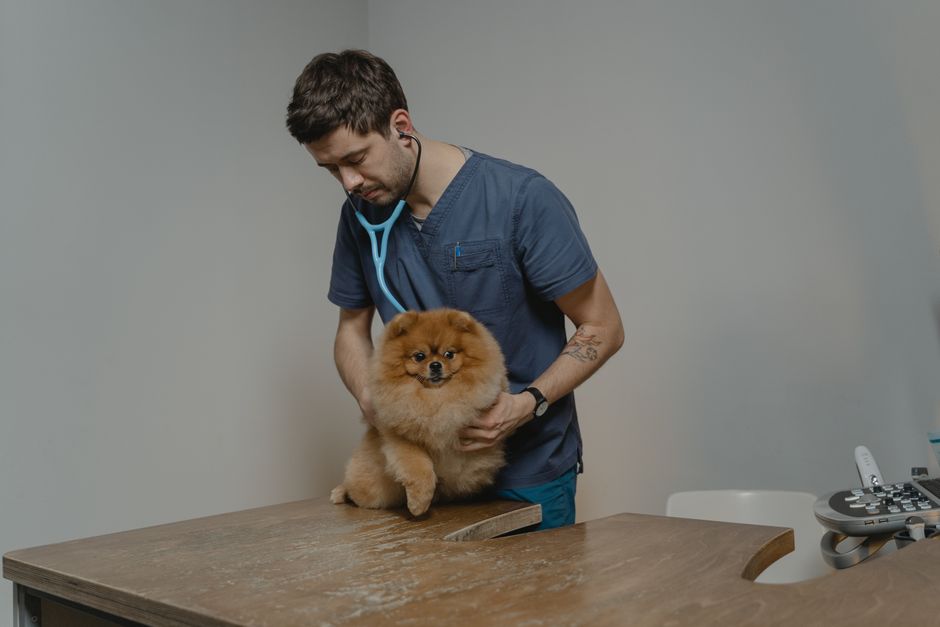
If your pet’s symptoms persist or worsen, it is essential to seek professional advice. At AM PM Ideal Pet Care, our veterinarians are skilled in diagnosing allergies through a combination of medical history, physical examination, and specialized tests. We may recommend allergy testing for pets to help identify specific triggers. These tests can involve bloodwork or intradermal skin testing, depending on your pet’s needs and history.
Treatment for pet allergies often involves several strategies, depending on the severity and type of allergy. For mild cases, we might suggest antihistamines, medicated shampoos, or topical sprays to soothe itching and inflammation. In more serious cases, prescription medications such as corticosteroids or newer immune-modulating drugs may be necessary to control symptoms and prevent secondary infections.
If your pet is diagnosed with a flea allergy, strict flea control is crucial. Our veterinary team will recommend a comprehensive flea prevention program to keep your pet comfortable and reduce allergic flare-ups. For pets with food allergies, a hypoallergenic diet trial may be advised to identify and eliminate problematic ingredients.
In all cases, our goal is to make your pet as comfortable as possible while minimizing the frequency and intensity of allergy flare-ups. Every treatment plan is customized based on your pet’s specific needs and lifestyle.
Helping Your Pet at Home: Prevention and Symptom Relief
While professional veterinary care is vital for diagnosing and treating allergies, there are several steps you can take at home to support your pet’s comfort. Regular bathing with a gentle, hypoallergenic pet shampoo can help remove allergens from your dog or cat’s skin and coat. Wiping your pet’s paws and belly with a damp cloth after walks or outdoor play is another simple way to reduce pollen exposure.
Keeping your home clean is especially important during allergy season. Vacuum carpets and washable pet bedding frequently, and consider using air purifiers to help control airborne allergens. Washing your pet’s bedding in hot water every week can help eliminate dust mites and pollen.
For pets with known flea allergies, year-round flea prevention is essential. Even a single flea bite can trigger severe itching in sensitive pets, so use veterinarian-recommended flea control products consistently.
Maintaining a balanced diet and avoiding sudden changes in food can also help minimize digestive upset and potential food-related allergies. If your pet is already on a special diet, make sure all treats and table scraps are compatible with their dietary plan.
When to Bring Your Pet to the Veterinarian
It is important to know when home care is not enough and when your pet needs a professional evaluation. If your dog or cat is scratching constantly, developing sores, losing fur, or seems to be in distress, it is time to schedule an appointment. Other warning signs include persistent ear infections, red or swollen paws, significant changes in appetite or energy, and any signs of difficulty breathing.
Allergic reactions can sometimes become serious very quickly, especially if your pet has facial swelling, vomiting, or trouble breathing. These are medical emergencies and require immediate veterinary attention.
At AM PM Ideal Pet Care, we are here to support you throughout allergy season and beyond. Our veterinary professionals will work closely with you to develop a comprehensive treatment plan, monitor your pet’s progress, and make any necessary adjustments as conditions change. If you are worried about your pet’s symptoms, or if you want to explore advanced options such as allergy testing for pets at AM PM Ideal Pet Care, do not hesitate to reach out.
Why Local Care Matters for Seasonal Pet Allergies
Choosing a local veterinarian who understands the specific environmental allergens common to Norwalk and surrounding communities can make a significant difference in managing your pet’s health. Our climate brings about unique pollen cycles, flea pressures, and environmental conditions that can influence the types and severity of allergies seen in pets.
When you search for a "vet near me," you want a trusted partner who is familiar with the area’s seasonal patterns and who can provide both preventive guidance and immediate care when your pet needs it. At AM PM Ideal Pet Care, our experienced veterinarians are proud to serve Norwalk and the surrounding Southern California region, offering up-to-date testing, diagnostics, and treatment options tailored to our local pet population.
Take Action: Keep Your Pet Comfortable This Summer
Summer allergies do not have to disrupt your pet’s quality of life. By staying alert to the signs of itching, licking, sneezing, or skin irritation—and by working closely with a knowledgeable veterinary team—you can help your dog or cat stay healthy and comfortable all season long.
If you are seeing any of the symptoms discussed above, or if you are concerned about potential allergies, now is the time to take the next step. Schedule an appointment with our veterinarians at AM PM Ideal Pet Care in Norwalk. Our team is here to help you with everything from preventive advice to allergy testing for pets and advanced treatment options.
To make an appointment or learn more about our services, call (562) 282 9639 or visit us at Norwalk, CA. Your pet’s comfort and well-being are always our top priority. When you need a veterinarian near me that you can rely on for comprehensive allergy care, look no further than our dedicated veterinary team in Norwalk. If you have questions about your pet’s symptoms or want to discuss options for allergy testing, our doors are always open to help you and your furry family member enjoy a happier, itch-free summer.